

Jede Woche bringt einen neuen Langlebigkeitstrend mit sich. Kalte Bäder, Rapamycin-Mikrodosierung, tragbare Sauerstoffmonitore. Es ist anstrengend, echte Wissenschaft von cleverem Marketing zu unterscheiden. Die gute Nachricht? Jahrzehntelange Forschung, einschließlich langfristiger EU-Kohortenstudien, hat bereits identifiziert, was tatsächlich funktioniert. Dieser Artikel trennt das Wesentliche vom Unwesentlichen und konzentriert sich auf evidenzbasierte Änderungen des Lebensstils, die realistisch, nachhaltig und validiert sind für Menschen, die mehr gesunde Jahre, nicht nur mehr Jahre, wollen.
Wichtigste Erkenntnisse
| Punkt | Details |
|---|---|
| Ganzheitliche Grundlage | Eine Kombination aus Ernährung, Bewegung, Schlaf und sozialen Gewohnheiten fördert die Lebensspanne am meisten. |
| Säulen der Ernährung | Mediterrane und pflanzliche Ernährung sind Eckpfeiler des gesunden Alterns, durch EU-Studien validiert. |
| Vorteile der Bewegung | Schon mäßige körperliche Aktivität reduziert das Sterberisiko messbar. |
| Intelligente Essgewohnheiten | Ansätze wie intermittierendes Fasten und Kalorienrestriktion sind vielversprechend, sollten aber mit Vorsicht angegangen werden. |
| Unsichtbare Hebel | Qualitativer Schlaf, geringer Stress und starke soziale Bindungen sind unterschätzte Treiber für langfristige Gesundheit. |
Die Grundlagen legen: Kriterien für effektive Langlebigkeitsänderungen
Bevor Sie eine neue Gewohnheit in Ihre Routine aufnehmen, fragen Sie sich: Wird dies durch langfristige Beweise gestützt, oder ist es nur ein Trend? Echte langlebigkeitsfördernde Änderungen teilen einige Schlüsselmerkmale. Sie sind evidenzbasiert, d.h. über große Populationen und viele Jahre hinweg getestet. Sie sind nachhaltig, d.h. Sie können sie realistisch beibehalten. Und sie sind multidimensional, d.h. sie berühren mehr als einen Bereich Ihrer Gesundheit.
Dieser letzte Punkt ist enorm wichtig. Multifaktorielle Lebensstiländerungen, die Ernährung, Bewegung, Schlaf und soziale Kontakte umfassen, übertreffen jede einzelne Intervention für eine gesunde Langlebigkeit. Es geht nicht darum, eine Wunderpille oder ein Superfood zu finden, das alles löst.
Häufige Mythen, die es jetzt abzulegen gilt:
- Nahrungsergänzungsmittel können eine schlechte Ernährung ersetzen
- Eine 30-Tage-Challenge führt zu dauerhafter Veränderung
- Genetik bestimmt alles
- Sie brauchen extreme Einschränkungen, um Ergebnisse zu sehen
Die FINGER-Studien in den nordischen Ländern zeigten, dass die Kombination von Ernährungs-, Bewegungs-, sozialen und kognitiven Interventionen deutlich bessere Ergebnisse erzielte als jeder Ansatz allein. Das ist das wahre Modell für Langlebigkeit. Kombinieren Sie dieses Verständnis mit einem ganzheitlichen Langlebigkeitsleitfaden und der richtigen Einstellung zur Langlebigkeit, und Sie haben eine solide Grundlage.
Pro-Tipp: Kleine, sich summierende Verbesserungen übertreffen radikale Umwälzungen. Eine tägliche Verbesserung von 1 % in mehreren Bereichen summiert sich über Monate und Jahre zu etwas Außergewöhnlichem.
Mediterrane und pflanzliche Ernährung: Herz der Langlebigkeit
Mit den grundlegenden Kriterien im Blick, schauen wir uns die Ernährungsanker an, die am engsten mit einem längeren Leben verbunden sind.
Die Einhaltung der Mittelmeerdiät reduziert die Gesamtmortalität um 10 bis 21 %, hauptsächlich durch entzündungshemmende Mechanismen. Das ist keine kleine Zahl. Ähnliche Vorteile zeigen sich in den Diäten der Blauen Zonen (Sardinien, Ikaria), der nordischen Diät und breiteren pflanzlichen Ernährungsmustern. Was sie alle gemeinsam haben: eine Betonung von Vollwertkost, Gemüse, Hülsenfrüchten, Vollkornprodukten und einer moderaten Kalorienzufuhr.
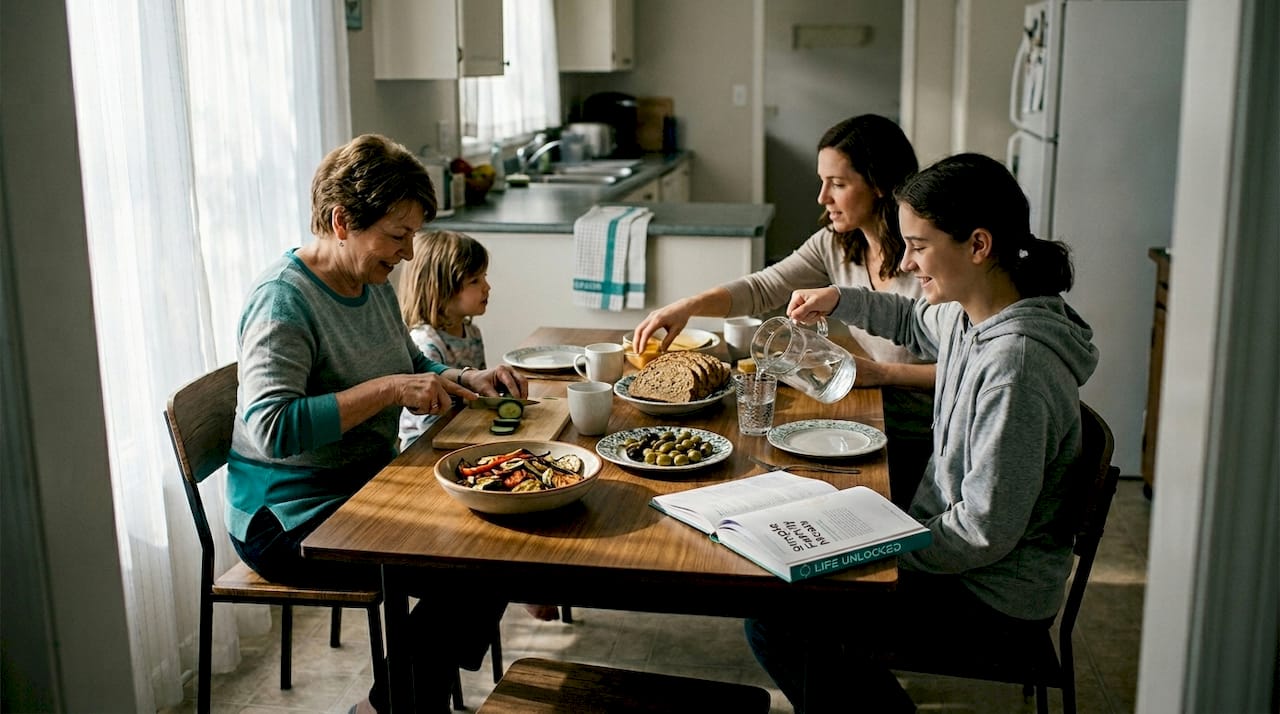
| Ernährungsmuster | Kernnahrungsmittel | Wichtigster Vorteil |
|---|---|---|
| Mediterran | Olivenöl, Fisch, Hülsenfrüchte, Gemüse | Reduziert das kardiovaskuläre Risiko |
| Blaue Zonen | Bohnen, grünes Gemüse, Süßkartoffeln, moderate Portionen | Verbindungen zu hundertjährigen Populationen |
| Nordisch | Roggen, fetter Fisch, Wurzelgemüse, Beeren | Reduziert Entzündungen und metabolisches Risiko |
| Pflanzlich | Vollkornprodukte, Nüsse, Hülsenfrüchte, Obst | Senkt das Krebs- und Stoffwechselerkrankungsrisiko |
Eine Studie zur Mittelmeerdiät, veröffentlicht im Jahr 2026, bestätigt, was EU-Gesundheitsbehörden seit Jahren empfehlen. Was Sie priorisieren sollten:
- Gemüse zu jeder Mahlzeit
- Hülsenfrüchte mindestens 3 Mal pro Woche
- Olivenöl als primäre Fettquelle
- Fisch zweimal wöchentlich
- Minimale ultra-verarbeitete Lebensmittel und rotes Fleisch
Praktische Werkzeuge zum Aufbau dieser Gewohnheiten finden Sie unter evidenzbasierte Ernährungsgewohnheiten und wie Ernährung das Altern verändert.
Pro-Tipp: Fügen Sie jede Woche eine neue pflanzliche Gewohnheit hinzu, anstatt Ihre gesamte Ernährung auf einmal umzustellen. Nachhaltige Veränderungen summieren sich zu echten Ergebnissen.
Mehr Bewegung, länger leben: Körperliche Aktivität für EU-Langlebigkeit
Jenseits dessen, was auf Ihrem Teller liegt, spielt auch Ihre Bewegung eine ebenso entscheidende Rolle für Ihre Langlebigkeit.
Täglich 7.000 Schritte zu gehen ist mit einer um 47 % geringeren Gesamtmortalität verbunden, verglichen mit nur 2.000 Schritten. Selbst das Hinzufügen von 5 bis 10 Minuten Bewegung zu Ihrer aktuellen Ausgangsbasis bringt messbare Langlebigkeitsvorteile. Bewegung ist nicht optional. Sie ist einer der mächtigsten Hebel, die Sie haben.
So integrieren Sie Aktivität in Ihre Woche, ohne Ihr Leben zu überarbeiten:
- Beginnen Sie mit Ihrer aktuellen Basislinie und fügen Sie 10 Minuten Gehen pro Tag hinzu
- Wählen Sie Aktivitäten, die Ihnen wirklich Spaß machen (Radfahren, Schwimmen, Wandern)
- Unterbrechen Sie lange Sitzperioden mit 2-minütigen Bewegungspausen
- Nutzen Sie die Treppen bewusst, jeden einzelnen Tag
- Kombinieren Sie Outdoor-Sport mit sozialer Zeit für sich summierende Vorteile
„Selbst geringfügige Steigerungen der täglichen körperlichen Aktivität führen zu einer signifikanten Reduzierung des Sterberisikos, unabhängig vom anfänglichen Fitnesslevel.“ — Bewegungsrichtlinien
Für eine breitere Perspektive zur Integration von Bewegung in einen langfristigen Plan, siehe aktive Langlebigkeitslösungen.
Pro-Tipp: Kombinieren Sie Bewegung mit sozialer Zeit im Freien. Sie erhalten den körperlichen Nutzen sowie kognitive und emotionale Vorteile, was den Langlebigkeitseffekt multipliziert.
Intelligente Essgewohnheiten: Intermittierendes Fasten, Kalorienrestriktion und Wissenswertes
Nun widmen wir uns einem der heißesten Themen der Langlebigkeit: Ob weniger oder zu unterschiedlichen Zeiten essen wirklich einen Unterschied macht.
Kalorienrestriktion und intermittierendes Fasten verbessern tatsächlich die Stoffwechselgesundheit und aktivieren Mechanismen, die Anti-Aging-Wege in den Zellen nachahmen. Die ehrliche Einschränkung? Der direkte Beweis einer verlängerten menschlichen Lebensspanne bleibt indirekt. Diese Ansätze zeigen echtes Potenzial, insbesondere für Gewichtsmanagement und Stoffwechselgesundheit, aber sie sind keine Magie.
Tagesalternatives Fasten (ADF) übertrifft die kontinuierliche Kalorienrestriktion bei kurzfristiger Gewichtsabnahme. Aber die eigentliche Frage ist immer: Können Sie es aufrechterhalten? Mehr über den Zusammenhang zwischen weniger essen und Altern erfahren Sie unter weniger essen und Langlebigkeit.
Wer am meisten von IF oder CR profitiert:
- Erwachsene mit metabolischem Syndrom oder Prädiabetes
- Diejenigen, die ständig über ihren Kalorienbedarf hinaus essen
- Menschen, denen zeitlich begrenztes Essen leichter fällt als Kalorienzählen
Wer vorsichtig sein sollte:
- Ältere Erwachsene mit dem Risiko von Muskelabbau oder Gebrechlichkeit
- Jeder mit einer Vorgeschichte von Essstörungen
- Menschen, die bereits untergewichtig oder unterernährt sind
Die IF- und CR-Forschung macht deutlich, dass Qualität genauso wichtig ist wie Quantität. Restriktive Muster mit schlechter Lebensmittelauswahl führen zu schlechten Ergebnissen.
Pro-Tipp: Konzentrieren Sie sich auf die Qualität der Mahlzeiten und die persönliche Nachhaltigkeit, bevor Sie sich um Zeitfenster sorgen. Eine konstant gute Ernährung ist besser als ein perfektes Fastenprotokoll, das Sie nach drei Wochen aufgeben.
Schlaf, Stress und soziale Kontakte: Die unsichtbaren Langlebigkeitshebel
Langlebigkeit hängt nicht nur von Ernährung und Bewegung ab. Sie wird auch stark davon beeinflusst, wie man sich ausruht, verbindet und erholt.
Sieben bis neun Stunden Schlaf pro Nacht sind bidirektional mit körperlicher Aktivität verbunden und unerlässlich für kognitive und physische Langlebigkeit. Schlechter Schlaf ist nicht nur Müdigkeit. Er beschleunigt das Altern auf zellulärer Ebene, stört Hormone und erhöht Entzündungsmarker.
„Schlaf und Bewegung interagieren in beide Richtungen. Die Verbesserung des einen stärkt das andere und schafft so eine positive Rückkopplungsschleife für die Gesundheitsspanne.“ – Forschungsdienst des Europäischen Parlaments, 2025
Die unsichtbaren Hebel, die Sie heute in Ihre Routine integrieren sollten:
- Schlaf: Schützen Sie 7 bis 9 Stunden mit einem konsistenten Zeitplan und einem dunklen, kühlen Raum
- Stressreduktion: Praktiken wie Atemübungen, Achtsamkeit oder Zeit in der Natur senken den Cortisolspiegel messbar
- Soziale Kontakte: Regelmäßige, bedeutungsvolle soziale Interaktionen gehören zu den stärksten Prädiktoren für kognitive Langlebigkeit
- Sinn: Ein klares Gefühl dafür, warum man jeden Morgen aufsteht, korreliert mit einer geringeren Mortalität in verschiedenen Kulturen
Weitere Informationen zum Aufbau dieser Gewohnheiten in einem realen Plan finden Sie im ganzheitlichen EU-Leitfaden und in den Erkenntnissen von Langlebigkeitsexperten.
Was die meisten Langlebigkeitsratgeber weglassen: Integration, nicht Isolation
Die meisten Inhalte zur Langlebigkeit konzentrieren sich auf einen Hebel nach dem anderen. Iss dieses Essen. Nimm dieses Nahrungsergänzungsmittel. Gehe so viele Schritte. Aber Langlebigkeit in der realen Welt funktioniert nicht isoliert. Sie funktioniert in Stapeln.
Die FINGER-Studien zeigten, dass die Kombination von Ernährungsverbesserungen mit Bewegung, sozialem Engagement und kognitiver Stimulation jede einzelne Strategie konsequent übertraf. Das ist nicht überraschend, wenn man darüber nachdenkt. Ihr Körper erlebt Ernährung nicht getrennt von Schlaf oder Stress. Alles spricht miteinander.
Die am meisten unterschätzte Langlebigkeitsstrategie? Nachhaltigkeit durch Gemeinschaft. Menschen, die Gewohnheiten innerhalb sozialer Strukturen ändern, sei es eine Laufgruppe, eine Dinner-Tradition oder ein gemeinsames Wellness-Ziel, behalten diese Gewohnheiten viel länger bei als Einzelbemühungen.
Wir sehen oft Menschen, die sich erschöpft fühlen, weil sie den perfekten Biohack jagen, während sie eine konsistente Schlafenszeit oder regelmäßige Mahlzeiten mit geliebten Menschen vernachlässigen. Diese Grundlagen, zuverlässig ausgeführt, gewinnen. Für einen tieferen Einblick, wo die Anti-Aging-Besessenheit richtig und falsch liegt, ist dieser Artikel Ihre Zeit wert.
Pro-Tipp: Kombinieren Sie jeden neuen Lebensstilhebel mit einer bestehenden Gewohnheit. Möchten Sie mehr Gemüse hinzufügen? Kombinieren Sie es mit einer Mahlzeit, die Sie bereits zubereiten. Stapeln Sie Verhaltensweisen, ersetzen Sie sie nicht.
Dauerhafte Langlebigkeit mit wissenschaftlich fundierten Tools erreichen
Für diejenigen, die bereit sind, praktische Schritte zu einem längeren, gesünderen Leben zu unternehmen, können engagierte Unterstützung und Ressourcen Ihre Ergebnisse steigern.
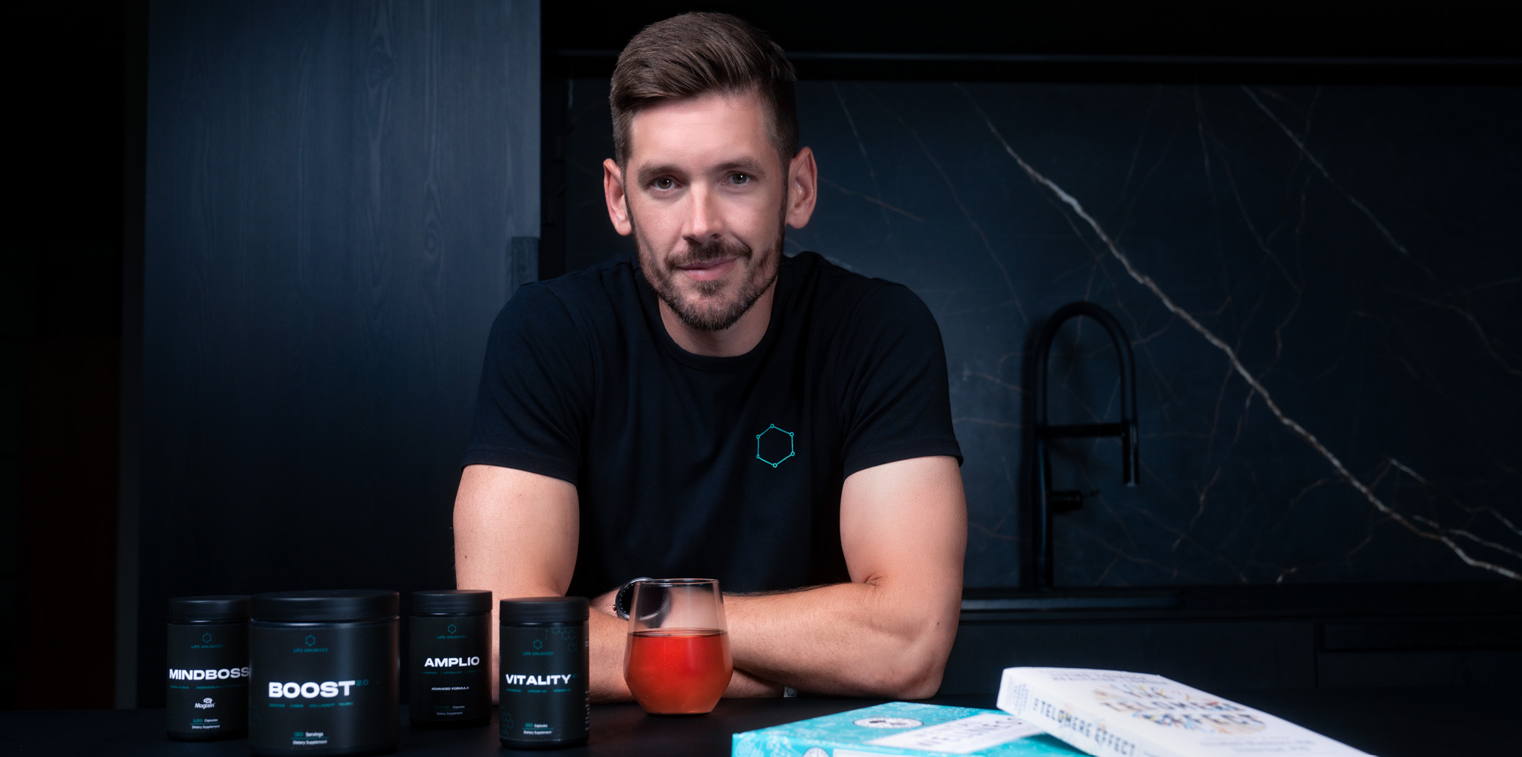
Bei LifeUnlocked basiert jedes Produkt und jede Dienstleistung auf derselben Wissenschaft, die in diesem Artikel behandelt wird. Ob Sie mit Langlebigkeits-Kits beginnen möchten, die auf validierten Biomarkern basieren, oder BOOST 2.0 hinzufügen möchten, um Muskel- und Zellgesundheit zu unterstützen, das Ziel ist immer dasselbe: evidenzbasierte Tools, die zu Ihrem realen Leben passen. Überspringen Sie die Moden. Erfahren Sie mehr von LifeUnlocked und übernehmen Sie noch heute die Kontrolle über Ihre Gesundheitsspanne.
Häufig gestellte Fragen
Was ist die wichtigste einzige Lebensstiländerung für Langlebigkeit?
Keine einzelne Veränderung steht allein. Integrative Ansätze, die gesunde Ernährung, regelmäßige Aktivität, guten Schlaf und soziale Kontakte kombinieren, übertreffen konsequent jede isolierte Intervention.
Verlängert intermittierendes Fasten wirklich die Lebensspanne?
Intermittierendes Fasten verbessert Stoffwechselmarker, aber die bestätigte Langlebigkeit beim Menschen ist noch nicht bewiesen. Es ist ein nützliches Werkzeug, kein garantierter Lebensverlängerer.
Wie kann ich eine mediterrane oder Blue-Zone-Diät beginnen?
Beginnen Sie damit, täglich mehr Gemüse, Vollkornprodukte und Hülsenfrüchte zu essen und gleichzeitig verarbeitete Lebensmittel und rotes Fleisch zu reduzieren. Die mediterrane Diät und die Diäten der Blauen Zonen priorisieren beide vor allem ganze, minimal verarbeitete pflanzliche Lebensmittel.
Wie viel körperliche Aktivität ist ausreichend für gesundes Altern?
Das Ziel, täglich 7.000 Schritte zu gehen oder 5 bis 10 Minuten zusätzliche Bewegung zu Ihrer aktuellen Routine hinzuzufügen, reduziert das Risiko für Krankheiten und Mortalität erheblich.
Empfohlen
- Umsetzbare Schritte zur Steigerung der Langlebigkeit: ganzheitlicher EU-Leitfaden – LifeUnlocked
- Beste Ernährungsgewohnheiten für Langlebigkeit: evidenzbasierte Wege zu einem längeren Leben – LifeUnlocked
- Langlebigkeit freischalten 2024: Praktische Tipps und Routinen für ein längeres, gesünderes Leben – LifeUnlocked
- Wichtigste Erkenntnisse zur Langlebigkeit: Die Einsichten von Langlebigkeitsexperten – LifeUnlocked
- Verbessern Lebensstiländerungen wirklich die Fruchtbarkeit? Die Beweise | RapidTest.co
Aktie:
Warum Vitamin D einnehmen? 5 Vorteile für die Langlebigkeit, die Sie kennen sollten
Die besten Langlebigkeits-Biomarker: Ein evidenzbasierter Leitfaden für ein gesünderes Leben