

Recent research reveals that what you eat may be the single most powerful lever you have over how you age. Healthy diets can extend disease-free life by 8 to 10 years, outpacing many genetic factors. Yet most people still treat nutrition as a weight management tool rather than a longevity strategy. This guide cuts through the noise and focuses on the real science behind food and aging, drawing on Europe’s top studies. You’ll walk away with practical strategies covering diet patterns, biomarker testing, fasting, and how to adapt your nutrition as you age.
Key Takeaways
| Point | Details |
|---|---|
| Nutrition delays aging | Targeted nutrition can extend disease-free life by 8–10 years according to recent EU research. |
| Diverse, plant-rich diets win | Mediterranean, Nordic, and other plant-focused diets are consistently linked to longer, healthier lifespans. |
| Personalization is crucial | Using biomarkers and self-assessment enables smarter, individualized nutrition for aging well. |
| Balance over restriction | Carefully applied fasting and avoiding drastic restrictions help protect muscle and resilience as you age. |
How nutrition shapes the aging process
The promise of adding years to your life brings us to the science: how does nutrition actually influence aging at a fundamental level?
Nutrition is not just fuel. It is a biological signal that your cells respond to every single day. Nutrients modulate aging by reducing inflammation, supporting gut health, maintaining genomic stability, and preserving mitochondrial function, the tiny engines inside your cells. When those signals are consistently healthy, your body ages more slowly.
Chronic low-grade inflammation, often called “inflammaging,” is one of the biggest drivers of age-related disease. Diets rich in plant-rich foods and low in ultra-processed products directly suppress this process. Fermented foods and high-fiber vegetables also feed a diverse gut microbiome, which is increasingly linked to longer, healthier lives. Think of your gut as a second control center for aging.
Here are the key biological pathways that nutrition directly influences:
- Inflammation: Anti-inflammatory compounds in whole foods reduce inflammaging at the cellular level
- Gut microbiome: Fiber and fermented foods increase microbial diversity, which supports immune function and metabolic health
- Epigenetics: Nutrients like folate and B12 influence gene expression without changing your DNA sequence
- Autophagy: Certain dietary patterns trigger cellular self-cleaning, removing damaged components
- Oxidative stress: Antioxidants from colorful vegetables neutralize free radicals that accelerate cell aging
Explore the science-backed nutrition tips and the gut-longevity connection to see how these pathways play out in real longevity research.
EU life expectancy sits at 81.4 years, but optimizing nutrition can extend your healthspan (the years you live free of chronic disease) by 8 to 10 additional years. That gap between lifespan and healthspan is where nutrition does its most important work.
Evidence-based diets for healthy aging
Knowing the pathways nutrition influences allows us to compare the top scientifically validated diets for aging well.
Plant-rich dietary patterns like the Mediterranean, DASH, AHEI, and Nordic diets consistently reduce chronic disease risk, improve biological aging markers, and extend healthspan in EU populations. Each has a slightly different emphasis, but they share a common core: abundant vegetables, legumes, whole grains, and healthy fats.

| Diet | Core foods | Unique benefit | Best for |
|---|---|---|---|
| Mediterranean | Olive oil, fish, legumes, vegetables | Cardiovascular and cognitive protection | Southern EU populations |
| Nordic | Fatty fish, rye, berries, root vegetables | Metabolic health, inflammation reduction | Northern EU populations |
| DASH | Low sodium, dairy, whole grains | Blood pressure and kidney health | Those with hypertension risk |
| AHEI | Diverse plant foods, nuts, fish | Broad chronic disease prevention | General aging population |
Switching to one of these patterns does not require a complete overhaul overnight. Small, consistent swaps add up fast:
- Replace refined grains with whole grain rye or oat bread
- Use olive oil instead of butter or seed oils
- Add one serving of legumes (lentils, chickpeas) to your daily meals
- Eat fatty fish like salmon or mackerel at least twice a week
- Snack on nuts and berries instead of processed snacks
Pro Tip: Using more than 4 tablespoons of extra-virgin olive oil daily and increasing dietary diversity (aiming for 30 different plant foods per week) amplifies the anti-aging effect far beyond any single superfood.
For a deeper look at how these patterns work together, visit our optimal healthspan guide and the research on balanced diet and longevity.
Personalized nutrition: Biomarkers and dietary adjustments
While these diets offer a blueprint, personalized approaches are redefining how individuals optimize aging through nutrition.
No two people age the same way, and no single diet works identically for everyone. Precision nutrition and biomarkers like epigenetic clocks can reveal your true biological age and identify nutritional gaps that standard advice misses entirely. This is where testing transforms guesswork into strategy.
| Biomarker type | What it measures | How it informs nutrition |
|---|---|---|
| Epigenetic clock | Biological vs. chronological age | Reveals pace of aging; guides anti-aging diet priorities |
| Blood micronutrients | Levels of B12, D, zinc, iron | Identifies deficiencies needing targeted food or supplement support |
| Gut microbiome profile | Microbial diversity and composition | Guides prebiotic and probiotic food choices |
| Inflammatory markers (CRP) | Chronic inflammation levels | Signals need to reduce processed foods and increase omega-3s |
Here is a practical process to personalize your nutrition for aging:
- Test: Run a biological age, blood panel, or gut microbiome assessment
- Interpret: Work with a nutrition advisor or use an AI-powered platform to understand your results
- Adjust: Modify your diet to address specific gaps (e.g., more protein if muscle mass is declining)
- Monitor: Retest every 6 to 12 months to track progress
- Combine: Layer dietary changes with exercise and sleep for compounding benefits
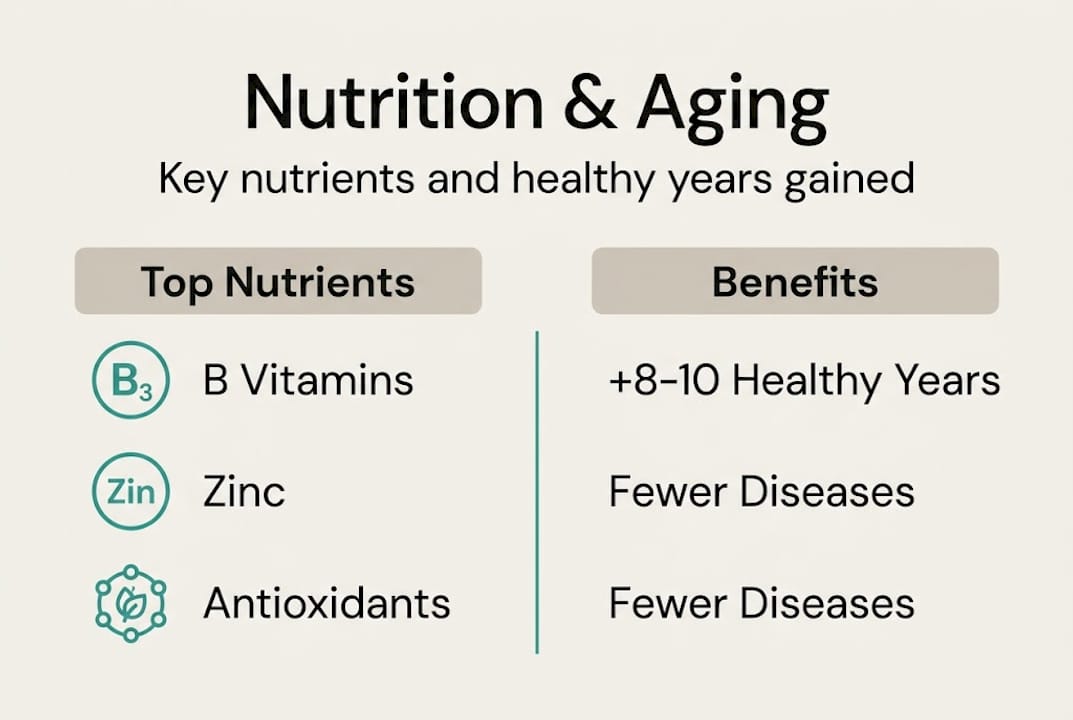
Pay particular attention to protein intake, B vitamins, and zinc as you age. These nutrients directly slow biological age acceleration and reduce frailty risk. Check our guide on vitamin optimization to see how widespread deficiencies actually are.
Beyond calories: Fasting, caloric restriction, and the importance of balance
Personalization is not just about what you eat, but also when and how much, making energy balance and meal timing the next frontier.
Caloric restriction (CR), intermittent fasting (IF), and time-restricted eating (TRE) are not just trends. CR and IF activate longevity pathways including autophagy and improved insulin sensitivity, and they reduce markers of metabolic disease. But the benefits depend heavily on how they are applied, especially for active seniors and Gen X adults who need to protect muscle mass.
Here is a balanced look at fasting approaches:
- TRE (12 to 16 hour window): Gentle, sustainable, and effective for metabolic health without significant muscle risk
- 5:2 intermittent fasting: Two low-calorie days per week; works well for those without frailty concerns
- Extended caloric restriction: Powerful longevity signals, but requires careful monitoring to avoid nutrient deficiency
- Risk for older adults: Aggressive restriction can accelerate muscle loss and increase frailty, particularly in those over 70
The calorie restriction guide and aging gracefully tips offer practical frameworks for finding the right balance for your stage of life.
Pro Tip: Start with a gentle 12-hour eating window (e.g., 8am to 8pm) and track your energy levels and body composition for 4 to 6 weeks before tightening the window further. This gives your body time to adapt without stress.
Our take: Why context and balance beat blanket diet rules for longevity
Here is what most nutrition content gets wrong: it treats aging as a problem that one perfect diet can solve. The evidence on balanced diet longevity tells a more nuanced story.
The best outcomes come from combining proven dietary patterns with biomarker monitoring and consistent exercise, not from obsessing over a single superfood or following rigid elimination rules. Higher dietary diversity over time is consistently more predictive of healthy aging than adherence to any single protocol. What you eat at 55 should look different from what you eat at 70, because your biology changes.
“Even with the best diet, personal context and ongoing adjustment are essential. Flexibility is longevity’s true secret.”
We believe the smartest approach is to use evidence as your foundation, personal data as your compass, and real life as your guide.
Practical next steps: Unlocking your personal nutrition strategy
Ready to take the guesswork out of nutrition and aging? Here are trusted tools and solutions to personalize your approach.
Your nutrition journey is dynamic, not a one-time decision. Start by understanding where you actually stand with a biological age testing kit that reveals your true aging pace at the cellular level.
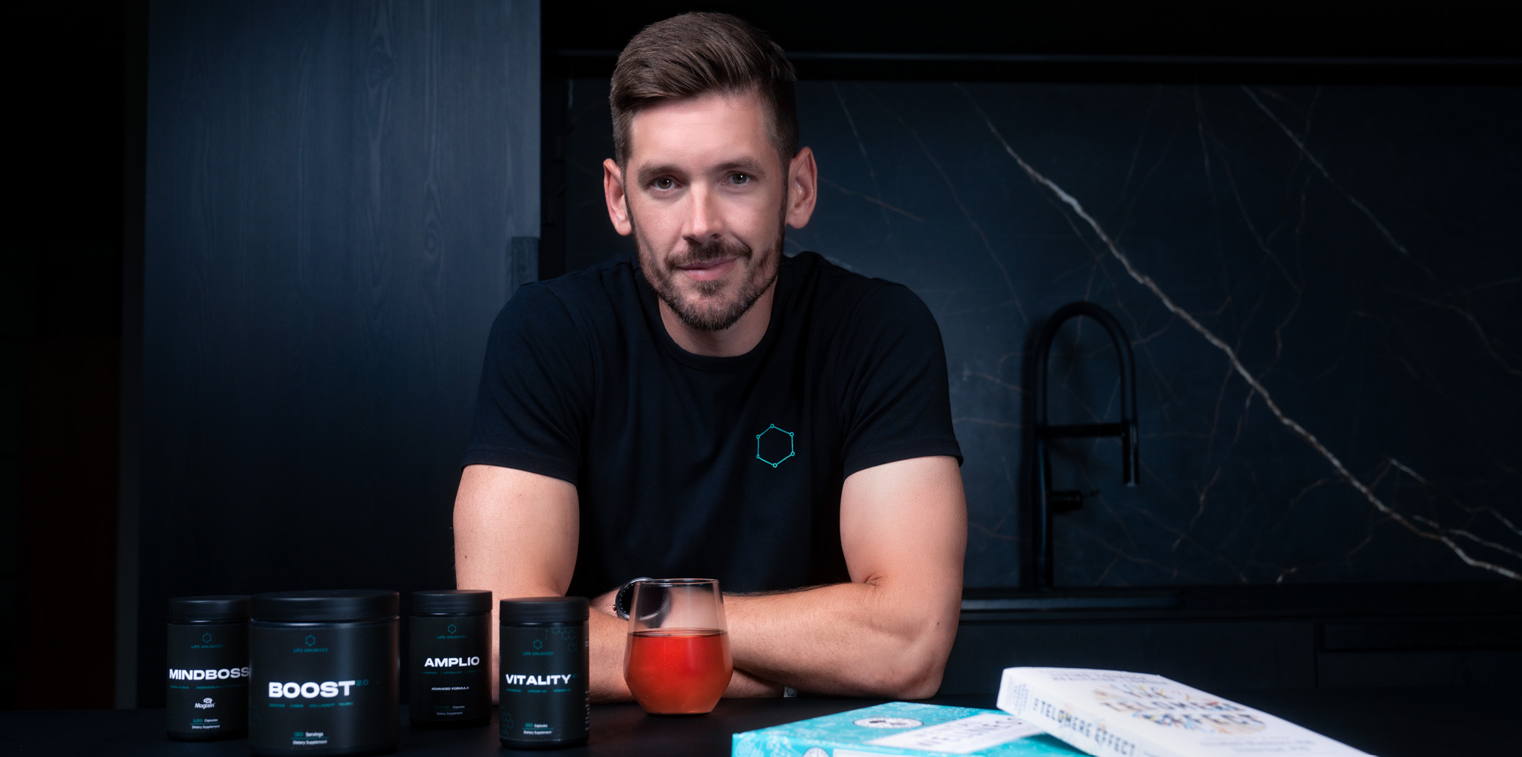
From there, explore our Longevity Kits designed to support your dietary foundation. Real change starts with real data.
Frequently asked questions
What nutrients are most important for healthy aging?
Antioxidants, B vitamins, and zinc are among the most critical nutrients for slowing phenotypic aging, supporting cell repair, and maintaining cognitive resilience as you age.
Can changing my diet still help after age 50?
Absolutely. Plant-rich diets improve healthspan and reduce frailty risk even when adopted later in life, making dietary quality a worthwhile investment at any age.
How does calorie restriction affect aging?
CR and IF activate longevity pathways but must be tailored carefully for older adults to avoid muscle loss or nutritional deficiency.
What is the best diet for longevity in Europe?
Mediterranean and Nordic diets are consistently linked to longer, disease-free lives in EU populations, thanks to their emphasis on plant foods and healthy fats.
Should I use supplements or focus on whole foods for aging well?
Whole foods are the foundation. Dietary diversity lowers frailty risk and supports healthy aging, while supplements fill specific gaps identified through testing.
Recommended
- Aging Gracefully: A Comprehensive Guide to Optimal Healthspan – LifeUnlocked
- Unleashing the Power of a Balanced Diet: A Decade of Extended Life – LifeUnlocked
- Top Anti-Aging Nutrition Tips Backed by Science for 2026 – LifeUnlocked
- What is healthy aging? A complete guide to holistic longevity – LifeUnlocked
- How to Support Liver Detox Naturally for Lasting Vitality – Gutted.
Share:
Best longevity diet habits: evidence-based paths to a longer life
Why take vitamin D? 5 longevity benefits you need